Hibiscus Flower: A Burst of Tropical Charm
First Impressions: Bold and Cheerful
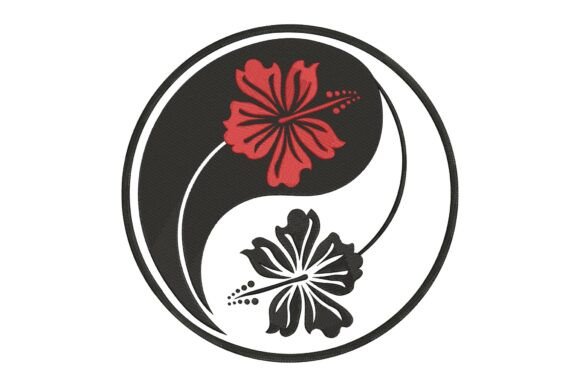
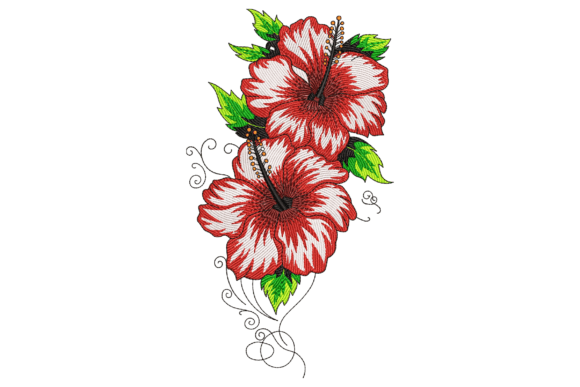
When I first laid eyes on the Hibiscus Flower embroidery design, it struck me as a bold and cheerful addition to any fabric. The vibrant, tropical feel of this design is perfect for adding a splash of color and character to a variety of handmade products. It's the kind of design that catches the eye and invites a closer look.
Product Performance: Versatility Across Fabrics
Hibiscus Flower is incredibly versatile, making it a great choice for a wide range of craft fair and handmade market products. Here’s how it performs on some popular items:
- Tote Bags: The large, open space of a tote bag allows Hibiscus Flower to be a striking focal point. It adds a playful and artistic touch, perfect for customers who love a bit of flair in their everyday accessories.
- Aprons: Embroidered on an apron, Hibiscus Flower brings a cheerful and welcoming vibe to the kitchen. It’s a design that can make cooking and baking feel more like a fun, creative endeavor.
- Kitchen Towels: On tea towels, the design adds a decorative and functional element. The bright, colorful flowers can liven up any kitchen and make a great gift for housewarming or special occasions.
- Caps: For a more subtle approach, Hibiscus Flower can be embroidered on the side or back of a cap, adding a small but noticeable detail that stands out without overwhelming the overall look.
- Patches and Pouches: These smaller items benefit from the detailed and vibrant nature of the design. Patches and pouches with Hibiscus Flower can be used as accents on clothing or as standalone accessories.
- Pillow Covers: On pillow covers, the design can serve as a beautiful, eye-catching centerpiece. It’s a great way to add a touch of tropical elegance to home decor.
Practical Selling and Production Points
Hibiscus Flower is easy to understand at a glance, which is crucial for catching the attention of potential buyers. Whether used as a small accent or a large focal design, it holds its own and enhances the overall appeal of the product. For online listings, the design photographs well, showcasing its vibrant colors and intricate details. This makes it ideal for Etsy sellers and other digital platforms where visual appeal is key.
In terms of production, Hibiscus Flower is repeatable for batch production, which is a significant advantage for craft fair sellers and small shop owners. However, there are a few practical considerations to keep in mind:
- Dense Stitch Areas: Test the design on scrap fabric to ensure that dense stitch areas don’t cause puckering or distortion. Adjust the stabilizer and thread tension as needed.
- Tiny Details: If the design includes tiny details, make sure they are clear and visible, especially on textured fabrics like towels. Consider using a finer thread for these areas.
- Thread Colors: Choose thread colors that provide good contrast against the fabric. Bright, vibrant colors work well with the tropical theme of Hibiscus Flower.
- Fabric Texture: Be mindful of the fabric texture. Smooth fabrics like cotton and linen work best for showing off the design’s details, while thicker, more textured fabrics may require adjustments in stitch density and stabilizer use.
Visual Appeal and Customer Engagement
Hibiscus Flower significantly boosts the visual appeal of any product. Its cheerful and artistic nature draws the eye and encourages customers to take a closer look. This design can enhance the value and handmade quality of your products, making them stand out in a crowded market. For booth displays, incorporating Hibiscus Flower into a variety of items can create a cohesive and attractive presentation, drawing in more customers and increasing engagement.
Embroidery Designer Notes
Before you start producing your final products, here are some essential steps to follow:
- Test on Scrap Fabric: Always test the embroidery design on scrap fabric to check for any issues with stitch density, thread tension, and overall appearance.
- Check Thread Contrast: Ensure that the thread colors provide good contrast and visibility, especially on darker or textured fabrics.
- Review Spacing and Placement: Confirm that the design fits well on the intended product and that the spacing is correct. This is particularly important for items like caps and patches, where the surface area is limited.
- Inspect Stitch Density: Adjust the stitch density if necessary to prevent puckering or distortion, especially on dense stitch areas.
- Use the Right Stabilizer: Choose the appropriate stabilizer for the fabric type and design complexity. This will help maintain the integrity of the embroidery and the fabric.
- Create Real Mockups: Make at least one real mockup of the finished product to see how the design looks in person. This step is crucial for ensuring that the final product meets your quality standards.
- Compare Fabric Colors: Experiment with different fabric colors to find the best match for the design. Some colors may enhance the vibrancy of the Hibiscus Flower, while others may dull it.
- Confirm Commercial Licensing: Before selling your finished products, make sure to check the commercial licensing terms for the embroidery file. This is especially important if you plan to sell the designs as part of your craft fair or Etsy shop.
By following these tips, you can ensure that Hibiscus Flower not only looks great but also sells well. This design has the potential to become a standout feature in your product line, adding both charm and value to your offerings. Happy embroidering!